The Invisible ERP: Why AI won’t kill enterprise software it will set it free

There’s a conversation happening in boardrooms and IT departments right now: AI is going to kill ERP. It sounds dramatic – and it’s not quite right. But the truth is more interesting, and ultimately more optimistic, than the extreme suggests.
AI-Powered Integration: Why “smart automation” beats full automation

AI-powered integration isn’t about automating everything, it’s about automating the right things. Discover why the organisations gaining real competitive advantage are the ones deploying AI where it consistently adds value, and keeping human judgement where it matters most.
Digital Transformation: Why change fails and how to fix it

Around 70% of digital transformations fail to deliver their intended results, and the reason is rarely technical. It’s human. Explore why the organisations that succeed treat change management as a discipline, not a phase, and what that looks like in practice.
The future of work: automation as an augment, not a replacement

The future of work is evolving, but not in the way you might think. Automation isn’t replacing jobs – it’s transforming them, shifting focus from repetitive tasks to strategic, creative, and innovative work. How to prepare and turn automation into a competitive advantage.
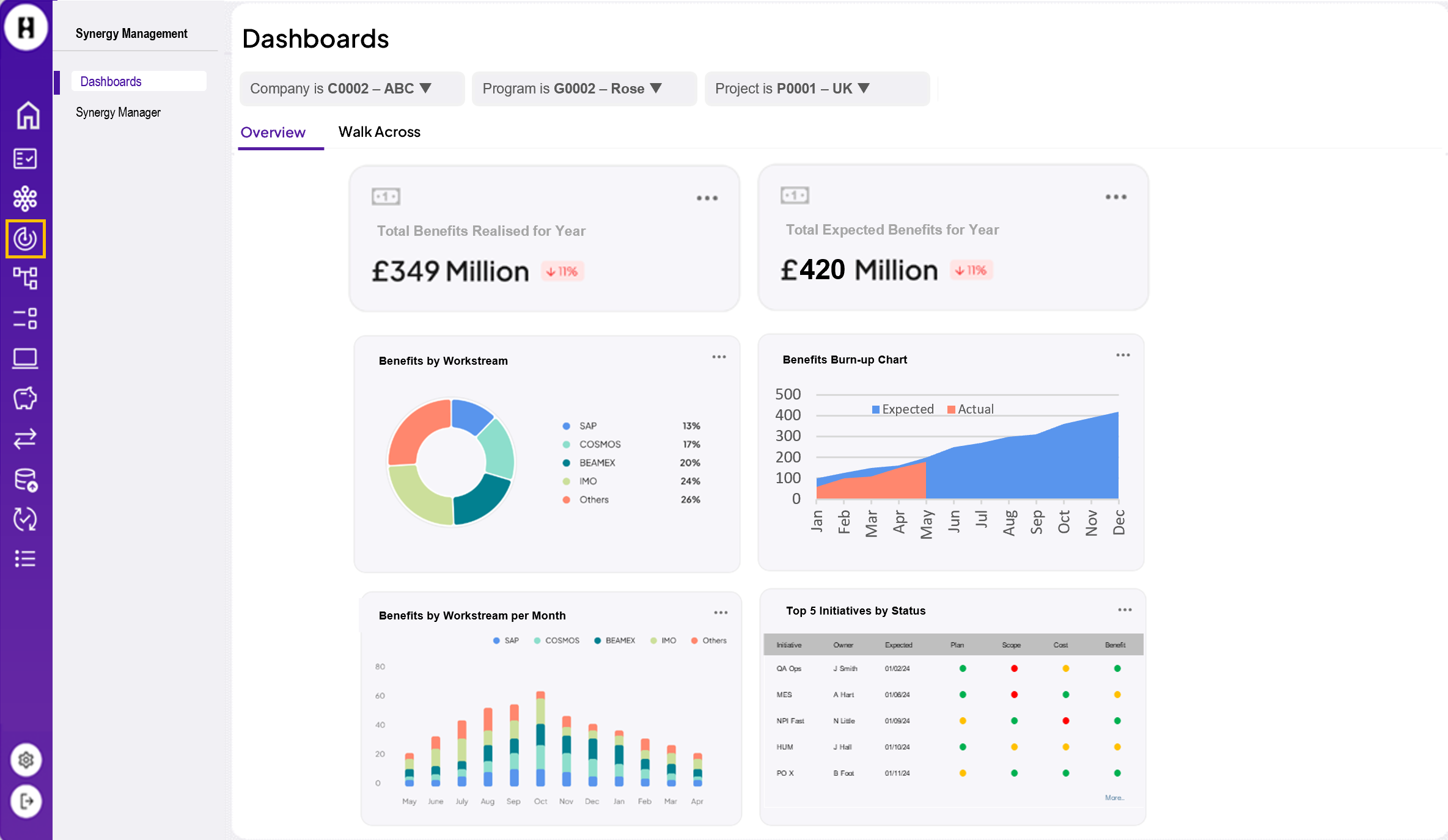
Power BI: The reporting tool SMEs already own (but aren’t using)

Power BI is included in Microsoft 365. It’s the reporting tool most SMEs already own but aren’t using. Discover how it automates data consolidation, reduces errors, and delivers real-time insights for smarter decision-making.
How M&A exposes process weaknesses in life sciences

Growth and M&A don’t create problems – they reveal them. When ERP systems and processes aren’t built to scale, acquisitions expose hidden weaknesses. Discover how life sciences firms can integrate smarter, standardise processes, and turn post-deal challenges into strategic advantages.
When ERP becomes a liability in life sciences

ERP systems such as SAP are designed to provide control and scale. Yet in many life sciences organisations, they have become slow, expensive and difficult to change. We explore how accumulated complexity, customisation and unclear architecture can turn ERP into a business liability.
US Policy and Life Sciences: How tariffs and pricing are reshaping strategy

US trade, pricing, and manufacturing policy is reshaping strategy across the life sciences sector. From tariffs and reshoring to supply-chain redesign and pricing pressure, global companies are being forced to rethink how they compete in the US market.
Life Sciences ERP – when compliance is a barrier to change
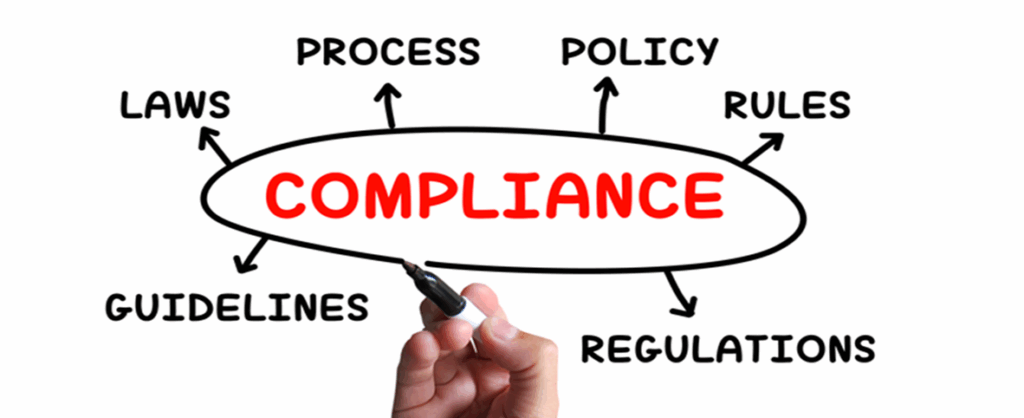
In regulated environments, compliance is essential. But over time, it can quietly become a reason not to change. We explore how unchallenged processes, not regulation, often create unnecessary complexity in life sciences ERP and transformation programmes.
Life Sciences AI Acquisitions: Why companies are choosing to own AI capability
Life sciences companies are moving beyond experimenting with AI and starting to own it. As more organisations acquire AI capability outright, a quiet shift is underway, from using AI as a tool, to embedding it as a core part of how decisions are made and work gets done.