The pilot trap
The pattern is consistent enough now to be called a dynamic rather than a coincidence. An organisation identifies a compelling AI use case, runs a well-resourced pilot, achieves encouraging results, and then finds that scaling it across the enterprise is a fundamentally different challenge from the one the pilot solved.
The reasons are rarely technical. The AI itself, the model, the tool, the platform, typically performs as expected. What doesn’t scale is the organisational infrastructure around it. Data that was clean enough for a controlled pilot turns out to be fragmented, inconsistent, or ungoverned at enterprise level. Processes that were stable enough to support a focused experiment turn out to be more variable than anyone had mapped. Governance frameworks that didn’t exist for the pilot turn out to be essential for anything operating at scale.
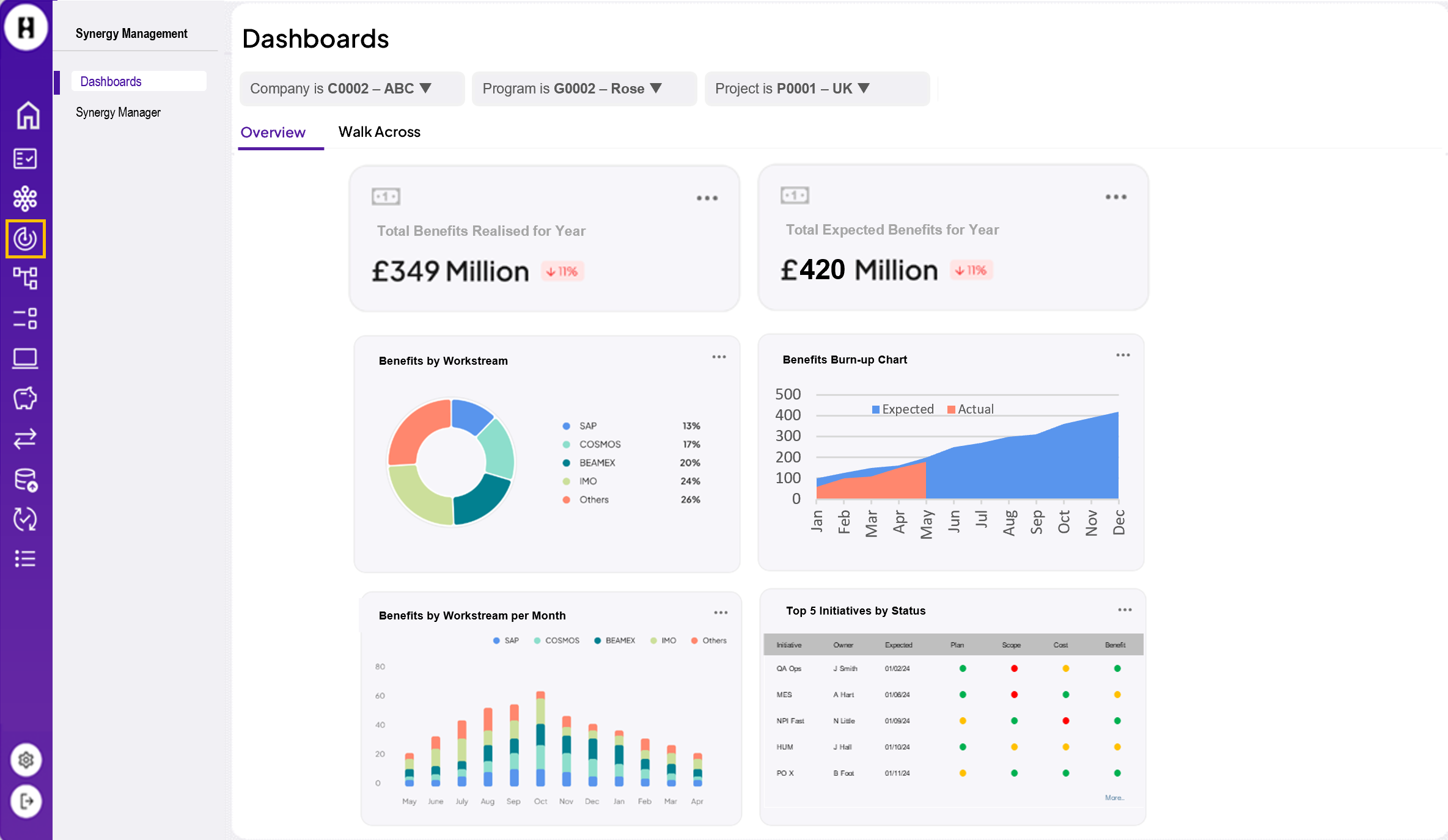
McKinsey’s 2025 State of AI survey found that roughly 88% of organisations now use AI in at least one business function, yet fewer than 40% report clear financial impact. The gap between adoption and value is not a technology gap, it is a readiness gap; and most organisations are still investing in the former while underinvesting in the latter.
What’s actually in the way
When AI scaling fails, the post-mortem tends to surface a familiar set of culprits:
- Data infrastructure that wasn’t designed with AI in mind, where information sits in silos, in legacy systems, in formats that require significant preparation before they’re usable.
- Process environments that are more complex and more variable than they appeared during scoping, where the exceptions turn out to be more common than the standard cases.
- Governance frameworks that are either absent or too rigid; either nobody owns the AI output, or the approval chain for acting on it is long enough to negate the speed advantage entirely.
Beneath all of these sits a more fundamental problem: most organisations have approached AI as a technology investment rather than an operational transformation. They have bought tools without redesigning the workflows those tools need to operate in. They have deployed models without establishing the data foundations those models depend on. They have measured success in terms of deployment – how many use cases are live, how many teams are using the tools – rather than in terms of outcomes.
Deployment is not value. The organisations beginning to understand this are the ones starting to close the gap.
The questions worth asking before the next investment
The organisations that are achieving measurable returns from AI share a few characteristics that are worth examining:
- They tend to have invested in data infrastructure before, or alongside, AI capability.
- They tend to have redesigned the processes AI will operate in, rather than layering AI onto legacy workflows and expecting improvement.
- They tend to have started with a small number of high-volume, cross-functional use cases where impact can be tracked clearly, rather than spreading AI thinly across many functions simultaneously.
Perhaps most importantly, they have defined what success looks like in financial terms before the investment is made, rather than after. AI value should be measurable against revenue, cost, speed, or quality. If the business case cannot articulate which of those levers the investment affects and by how much, the investment is not ready to be made.
For leadership teams heading into the next budget cycle, a few questions are worth sitting with:
- Where, specifically, are the current AI investments expected to generate value, and is that value being tracked?
- What is the state of the data infrastructure that those investments depend on?
- Have the processes been redesigned, or have the tools been deployed into unchanged workflows?
- And critically, who owns the outcomes, not just the technology?
The honest conversation the market needs
There is a particular pressure in 2026 that makes this harder than it should be. Board-level AI expectations are running high, competitive anxiety is real, and the cost of appearing to lag on AI adoption feels significant. In that environment, slowing down to ask whether the organisation is actually ready to realise value from the next investment can feel like a luxury.
It isn’t. It is the discipline that separates the organisations achieving genuine returns from those accumulating an increasingly expensive collection of underperforming pilots.
AI investment will continue to rise. The organisations that turn that investment into sustained competitive advantage will be the ones that treat readiness, process, and governance as seriously as they treat the technology itself. The ones that don’t will keep reporting the same gap between expectation and return – and wondering why.